Match the warning to the condition
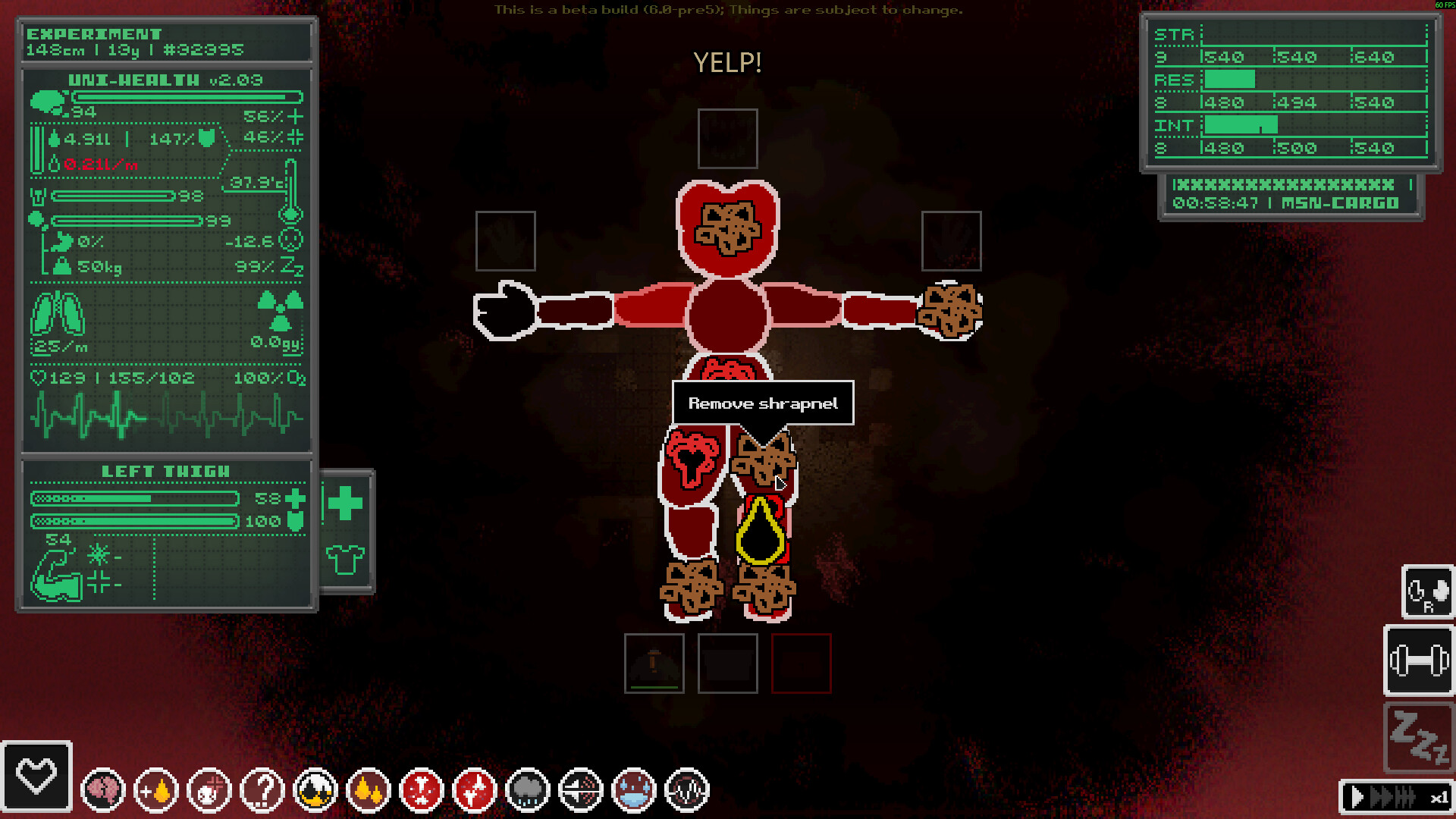
Moodles appear near the health dial; open the health panel with R to inspect the condition behind an icon. Prioritize severe bleeding, breathing trouble, unstable circulation and overdose warnings before ordinary hunger, tiredness or low mood.
A moodle summarizes what is happening rather than providing a complete diagnosis. The active-bleeding icon includes a yellow droplet, but you still need to inspect the injury and your wider condition before choosing treatment. A blood-pressure icon disappearing during cardiac arrest does not mean you have recovered.
Use the controls for your build
The R shortcut below follows the Steam demo 7.0.1 controls. Keep those demo instructions separate from itch prototype item values, and check the descriptions in your own full-release interface before applying older treatment advice.
Unchipped disables the health panel, so the inspection routine below depends on having that panel available. In Unchipped, visible symptoms and audio cues become especially important when judging blood loss, infection and consciousness.
Read a new moodle before using supplies
- Hover over the moodle bar to reveal side moodles. These also appear in the health panel, helping you notice conditions that are absent from the usual visible group.
- Press R to open the health panel. Match the warning to bleeding, blood pressure, infection, drug effects, hunger, thirst or mood so your next action addresses the relevant condition.
- Inspect circulation, oxygen and consciousness when the character becomes weak or faint. This helps separate a medical crisis from unhappiness before you spend supplies on the wrong problem.
- Address the urgent condition identified by the panel. Severe bleeding, arrhythmia, worsening infection, hypoxia and overdose need attention ahead of routine upkeep.
- Recheck the relevant readings after acting. Use the condition behind the icon to judge progress, especially when a disappearing warning could otherwise give a misleading impression.
Separate emergencies from upkeep
| Warning | What to do next |
|---|---|
| Heavy bleeding or Catastrophic bleeding | Inspect the bleeding injury and circulation immediately; severe blood loss takes priority over routine needs. |
| Arrhythmia or Ventricular tachycardia | Check the underlying strain and seek treatment. These conditions can be defibrillated, but their cause also needs attention. |
| Peckish, Thirsty or Drowsy | Plan food, water or rest while checking that associated vitals remain stable. Severe deprivation can become an emergency. |
| Dulled claws or Broken claws | Give your hands a break or use a tool. Continuing with severely damaged claws can injure your hands. |
Do not judge urgency from the frame alone. Rectangular frames generally mark positive effects or effects that do not originate in a negative event, but Adrenaline from severe injuries and Last Stand are exceptions to that simple reading.
Check limb warnings and body warnings separately
Fractured bone and Dislocated joint point you toward an affected limb: avoid using it unnecessarily and arrange treatment. More specific warnings explain different limitations. Fractured ribs make breathing harder, while a Dislocated jaw makes eating painful.
Hemothorax indicates blood accumulating around the lungs because of internal bleeding. Pulmonary embolism instead describes a clot blocking an artery in the lungs, with an urgent instruction to lower blood viscosity. Read the exact warning before treating chest trouble as a generic injury.
Drug overdose refers to excessive non-opioid medication, including Anti-rad, antidepressants, stimulants or sleeping pills. Opioid overdose is a separate warning associated with respiratory failure. Respiratory arrest, worsening brain-damage warnings and Stroke also require urgent attention rather than waiting for discomfort to pass.
Tell low mood apart from shock
Feeling down and Gloomy describe mood, while Shock describes a response to agony. Mood is separate from blood volume, blood pressure, oxygen and brain integrity. If consciousness is collapsing, inspect those medical readings before attributing the problem to unhappiness.
Persistent low mood deserves attention after immediate threats are addressed. Depressed and Miserable can become critical when the character is about to self-harm, and prior happiness affects Last Stand chances. Food, sleep, pain control and safer conditions may help mood, but they do not correct an active medical crisis.